
Videography has evolved tremendously over the years. Thanks to high-end video making equipment, professional videographers are now able to create more polished, detailed videos even without the need of spending a lot of time inside their editing rooms.
That said, achieving a professional look is more about your technique than your tools. Chances are you can make great videos with whatever video making tools you carry. All you will need is to apply the right techniques similar to those used by top motion picture companies.
Read on and take a look at different advanced video techniques used by leading film production companies.
They Create Storyboard and Shooting Script
Stunning videos don’t happen automatically, they are the results of thorough planning and preparation. A video production agency always emphasize on putting together a storyboard and shooting script before getting their camera equipment ready.
While storyboarding lets you find out what shots you need before you begin filming, a shooting script for your video is more like a screenplay. Video production teams use series of still photographs and sketches to make their storyboard. It helps them decide what shots they need before they began filming.
They Use Plenty of Lights
Light makes a big difference in the image of a finished professional video, something always considered by top film production companies. When you do not use sufficient light, your videos look unprofessional, even though they are perfect in all other ways.
Commercial video production teams use the natural light whenever it’s possible to give the video a more original look. They do this mostly when they have a morning or evening scene to shoot, as the light is softer. Meanwhile, when filming videos indoors, they plan more about the types of lights they use. They consider all the effects they want to create in their finished video before setting up their light sources.
They Apply the Rule of Thirds
Professional video makers always remember the rule of third when they are shooting videos. Instead of placing the subject in the center of the frame, the move it away to the side. This ultimately helps them balance the scene by shooting other objects in the frame.
This technique serves to draw the eye towards the shot’s main points of interest. The viewer’s eye will naturally gravitate to either the right or the left anchor point where your subject is. They will spend more time in this area than other parts of the shot, making it a logical point to place the main subject of the scene in that way.
They Prioritize Crisp, Clear Audio
For a professional video maker the audio quality of your video is equally important as the video quality itself. He knows most people are interested to watch videos that have excellent sound quality, even when they are a little grainy. On the other hand, fuzzy, indistinct audio is simply enough for people to stop watching the videos within a few seconds of playing.
In the same way audio quality matter a lot to motion picture companies that never underestimate their importance. They use hi-tech audio capturing and sound effects equipment to shoot videos of top audio quality.
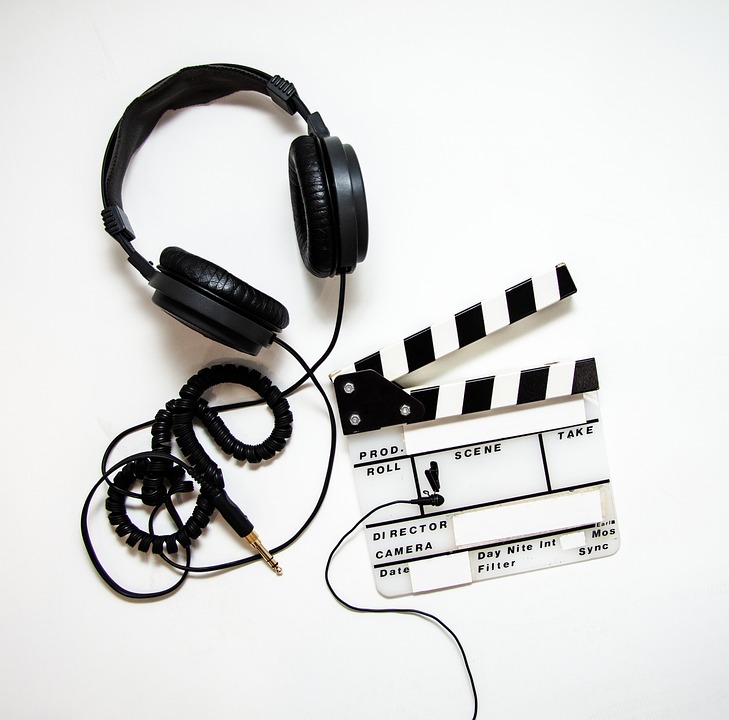
They Shoot Multiple Takes
Experienced video production teams understand how important it is for them to take a perfect shot. After all, the last thing they want to be is in a situation in which they have a single take of a crucial scene in their film.
Regardless of the characters and the scene, they make sure to run through multiple takes. It gives them a safety net in case they find anything wrong with one of the takes and helps them to edit the final sequence from different clips of the same sequence together instead of depending on one.
They Use a Green Screen Studio
Film makers have been using the green screen for years to avoid on location shooting. It is a process in which they replace a solid-colored background from the behind the subject of a video with a new background later through special effects.
Almost all motion picture companies have a green screen studio in which they produce stunning scenes that are almost impossible to shoot in reality.
 Jay's Blog